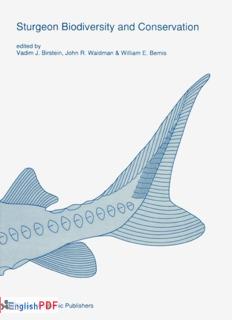
Sturgeon biodiversity and conservation
Book Details & References
Reading Guide & Summary
Sturgeon biodiversity and conservation [] Read
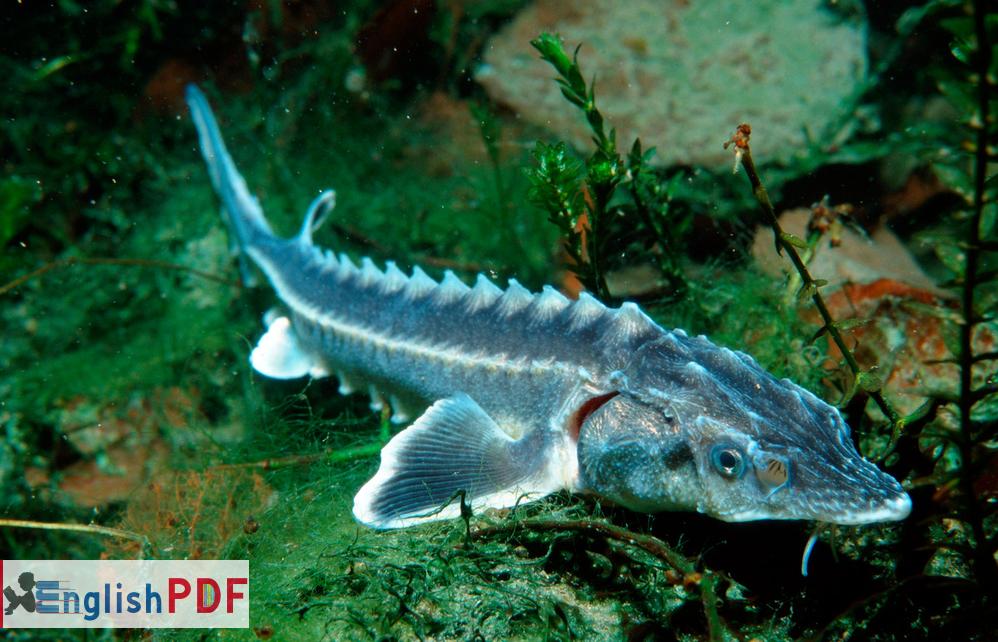
This volume presents a synthesis of basic biological and conservation data for more than 30 species of sturgeons (Acipenseridae), paddlefishes (Polyodontidae) and their fossil allies in the order Acipenseriformes.
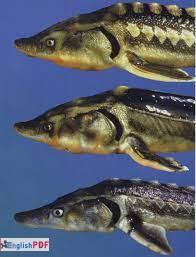
Since the Jurassic, the four families of sturgeon-like fish have been restricted to the Holarctic, where until very recently they flourished in most major river systems.
Sturgeon biodiversity and conservation [] Read
In the late 20th century, however, virtually all species of sturgeons and paddlefishes face difficult conservation issues. Papers in the first section of this volume examine the paleontology, systematics, evolution and basic biology of acipenseriformes. Recent evidence from fossil Acipenseriformes strongly supports a sister-group relationship of Acipenseridae and Polyondirae as the sub-order Acipenseroidei. New molecular and karyological data provide insight into longstanding questions concerning phylogenetic interrelationships within the genus Acipenser.
Sturgeon biodiversity and conservation [] Read
Most sturgeons are benthic in orientation and diet, whereas most paddlefishes are pelagic, particularly the specialized filter-feeding North American paddlefish, Polyodon spathula. All extant species of Acipenseriformes spawn in freshwater, and many make lengthy upriver migrations to spawning sites, exceeding 2000 km in some systems. Maturation is often late (20 years in some species) and individuals usually do not spawn annually. Certain anadromous species of Huso and Acipenser historically achieved legendary sizes (6m TL) and ages (80 years).
The second section of this volume details current conservation status for most of the world’s living species of Acipenseriformes. The third section of the volume considers specific human impacts and responses to conservation issues. These include: the Aral Sea ecological disaster and its impact on native sturgeons; a review of methods for restoring sturgeon populations; the use of molecular techniques in developing conservation strategies; the extreme sensitivity of sturgeons and paddlefishes to overfishing; and the history of a recently convicted caviar poaching ring.
Sturgeon biodiversity and conservation [] Read
The volume’s summary reviews the status of all extant species and notes future directions for research on behaviour, ecology and population biology that could lead to better co-ordinated international conservation efforts.
Editorial Note & Copyright: This page offers a reading guide, summary, and educational critical analysis. Our editorial team supports authors and publishers and does not distribute copyrighted files without authorization. To support the author, please consider purchasing the book from your local bookstore or official retailers.
Frequently Asked Questions & Reading Guide
Everything you need to know about this reading guide and literary analysis.
What does this reading guide on « Sturgeon biodiversity and conservation » contain?
This reading guide offers a comprehensive summary, character analysis, key themes, and literary context for EnglishPDF Editorial to assist in your literary understanding.
How to purchase the complete book?
Our editorial team respects copyright and encourages purchasing official editions. You can buy the paperback or hardcover book from your local bookstore or via the official links on this page.
Can I read these reading guides on mobile and tablet?
Yes, all of our guides, summaries, and literary analyses are fully optimized for comfortable reading on desktop, smartphone, and tablet.
Who are these literary summaries intended for?
Our reading guides are intended for students, teachers, and literature enthusiasts looking to deepen their cultural knowledge or prepare for exams.
Join Our Telegram Community
Get the latest books, novels, and daily updates directly on your device. Never miss a new release!